May 9, 2026

Apartment Finding Service: What’s Included and What’s Not
Apartment finding service guide: learn what is included, what costs extra, and how expats can choose safer tenant-side support.
Struggling to find the perfect home? Explore Movely services that can help you!

Landlords rarely reject you because you are “new.” They reject you because they cannot quickly answer three screening questions:
If you do not have local credit history yet, your goal is to replace that missing signal with other, equally credible signals. This guide shows practical ways to do it, what to offer (and what not to), and how to tailor your approach to competitive markets.
Not having local credit history can look like a few different things, and the fix depends on which one applies.
A landlord often treats the first two as uncertainty (which you can reduce with documents). Bad credit is usually treated as risk (which you may need to offset with a guarantor, stronger income, or a different rental option).
In the U.S., many screenings include a credit report, eviction history, and identity verification. Credit scores commonly require a minimum amount of history to generate a score. For example, FICO notes that generating a score generally requires at least one account opened for six months or more plus recent activity (source). That is why brand-new arrivals often show up as “no score.”
If you are renting abroad, screening norms vary widely. Some markets care more about employment contracts and bank statements than a bureau score. Either way, you can ask one simple question early: “What documents do you accept if a tenant doesn’t have local credit yet?”
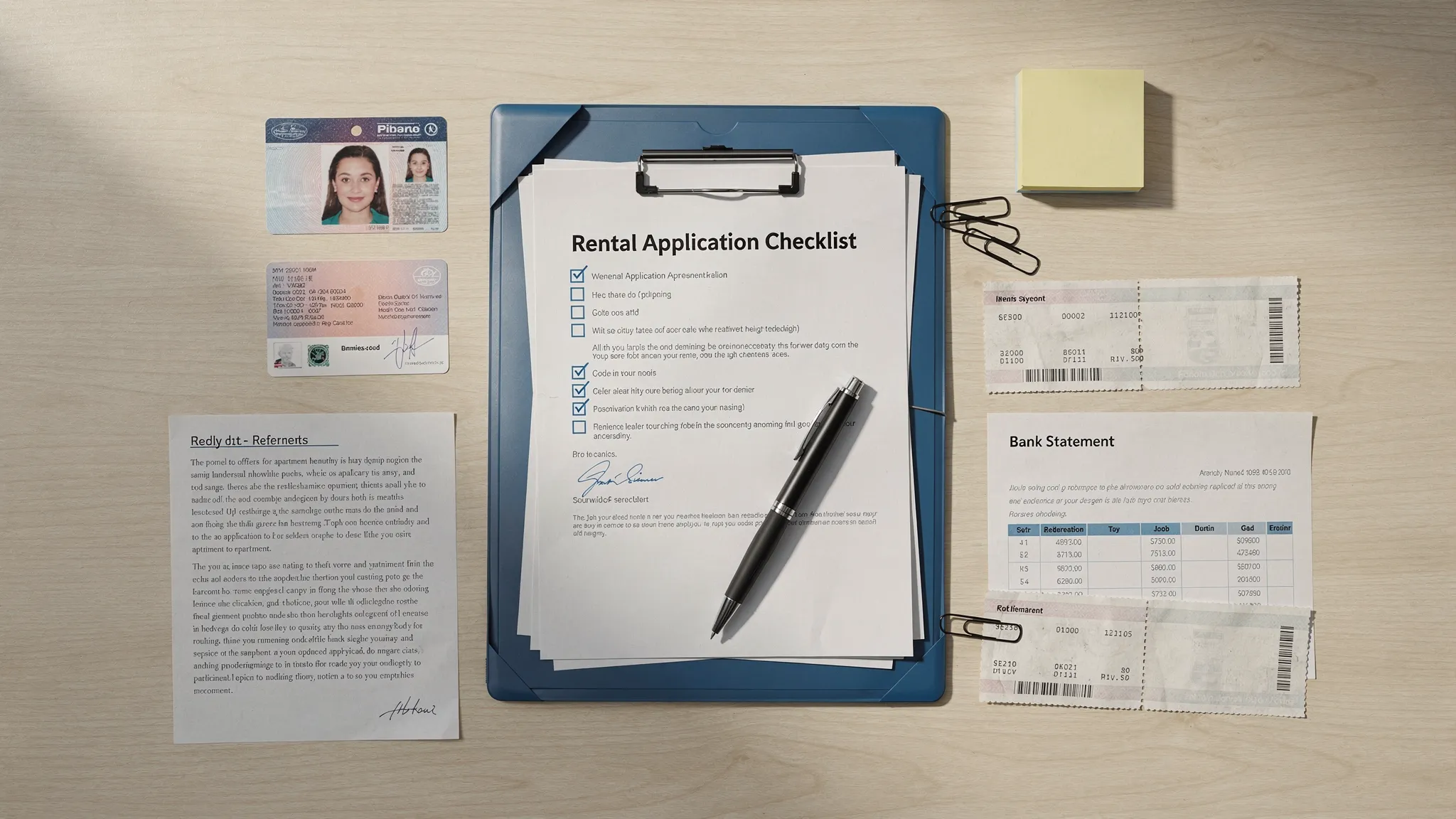
When you cannot supply a local credit score, you win by being the most organized and verifiable applicant. A good packet makes it easy for a landlord to say yes.
Identity and right-to-rent (fraud prevention)
Ability to pay (income and liquidity)
Willingness to pay (behavioral substitutes for credit)
A short cover note (context without oversharing)
Keep it to 5 to 8 sentences: who you are, why you are moving, your income, your intended lease term, and what you can provide instead of credit history.
Landlords and property managers move fast. Help them verify you quickly.
If you are applying remotely, Movely’s guide on remote apartment hunting pairs well with this approach because it focuses on verification and reducing risk when you cannot be there in person.
Not all workarounds are equal. Start with options that are common and low-friction, then move to heavier concessions only if needed.
A guarantor is often the cleanest substitute for missing local credit, especially in competitive cities.
If you go this route, ask screening questions early so you do not waste time applying to buildings that only accept in-state guarantors or require very high guarantor income.
Many applicants can show a job offer, but far fewer can show meaningful reserves. If your bank statements show you can comfortably cover several months of rent, that reduces risk in a way a brand-new credit file cannot.
A practical framing you can use in writing:
“I don’t have a local credit file yet because I’ve just relocated. I can provide my employment letter and bank statements showing reserves of $X, plus landlord references.”
In some places, extra deposit is either restricted or prohibited. For example, various U.S. jurisdictions cap deposits (and rules can vary by state or city). Before offering more deposit, confirm local law and building policy.
If you are unsure about how deposits work where you are moving, read a jurisdiction-specific source or start with Movely’s overview of security deposit rules and then verify local limits.
Prepaying several months can work in some countries, but in parts of the U.S. it can raise compliance issues for landlords or run into local restrictions. It can also increase your downside if you later discover unit problems.
If you consider prepayment:
Some landlords will accept:
This rarely replaces local credit everywhere, but it can help a human decision-maker feel comfortable, especially with smaller landlords.
You can do everything right and still lose if you only apply to buildings with strict screening automation. Search strategy matters as much as your documents.
In many cities, these options are more open to applicants without local credit:
A common low-regret path is to start with a time-boxed rental and then upgrade once you have local history. Movely explains this “land-and-expand” approach in renting vs. short-term rentals (especially helpful for relocations).
Applications can be expensive and time-consuming. Before paying fees, ask:
If you want a broader checklist for the whole search process, keep Movely’s home search checklist for long-term rentals open while you apply.
Sometimes it is not just a landlord. It is a building, an HOA, or a board with its own documentation requirements.
In New York City, condo and co-op rentals can involve additional review (sometimes including board packages, move-in deposits, and building rules). If you are applying in a small building, you may encounter formal processes for document collection and approvals. Some boards centralize building operations and documents using platforms built for that workflow, such as Boardly.
For renters, the takeaway is simple: expect more paperwork and more lead time, and ask early what the building requires beyond the standard lease.
When people feel stuck, they often make choices that either get them rejected or expose them to scams.
If you are moving to a new country (or renting sight unseen), do not skip scam prevention. Movely’s guide on how to avoid rental scams when moving to a new country is a strong companion read.

If you want a fast, structured approach, use this week-long sprint.
Finalize your PDF packet, references, and a short cover note. Make sure every document is consistent on name spelling and dates.
Message listings with your screening questions. Eliminate buildings that require a local score with no alternatives.
Tour quickly, apply quickly, and follow up politely the same day with your complete packet attached.
If you are a “maybe,” propose one concession at a time (guarantor, proof of funds, or a legally compliant deposit), rather than throwing everything out at once.
Have a fallback: a short-term rental, a sublet, or a roommate arrangement while you build local history.
Can I rent an apartment in the U.S. with no credit history? Yes. Many landlords will accept alternatives such as proof of income, proof of funds, and references, or a guarantor, especially if you are newly relocated.
Is “no credit history” better than “bad credit” for renting? Often, yes. “No credit” is uncertainty you can reduce with documentation. “Bad credit” is perceived risk and may require stronger offsets (guarantor, higher income, or different housing options).
Should I offer to pay multiple months of rent upfront? Only if it is common and legal in your market, and only after you have verified the listing and signed a lease. Prepayment can increase your risk if problems appear later.
How long does it take to build local credit history? It varies, but many scoring models need months of reported activity to generate a mainstream score. Opening accounts early and paying on time helps, but you may still need rental alternatives in your first lease.
What documents matter most when I don’t have local credit? A verifiable employment letter, recent bank statements showing reserves, prior landlord references, and a clean, consistent application packet tend to have the biggest impact.
How can I avoid getting scammed when I’m desperate to get approved? Never pay before verification, avoid pressure tactics, insist on a live tour (or live video tour), and use traceable payments. If anything feels off, pause and re-verify.
If you want to improve approval odds quickly, focus on two things: (1) clarity (a complete, tidy packet) and (2) speed (apply fast to listings that accept alternatives).
For deeper support as you search and sign, these Movely resources help you cover the rest of the process: