May 9, 2026

Apartment Finding Service: What’s Included and What’s Not
Apartment finding service guide: learn what is included, what costs extra, and how expats can choose safer tenant-side support.
Struggling to find the perfect home? Explore Movely services that can help you!

Apartment rental agencies can feel like a black box: you tell someone what you want, they send listings, you tour, you sign, you pay a fee (sometimes a big one), and you hope the process was fair.
This guide breaks down what apartment rental agencies actually do, who they represent, the most common fee structures, and how to estimate total cost before you commit. It is especially useful if you are relocating, renting remotely, or entering a market where agents are the default.
“Apartment rental agency” is an umbrella term. In practice, you will run into a few different players that are often confused with one another:
The most important question is not “Are they an agency?” but who they work for. That determines incentives, what they will disclose, and how negotiation is handled.
Most reputable agencies deliver value in four phases: access, speed, risk reduction, and execution.
Agencies may:
That said, agencies do not magically override market reality. If your budget is below typical rent-to-income thresholds, or your move-in timeline is unrealistic, a good agent will tell you early.
Agencies often:
If you are renting remotely, the viewing step matters even more. A legitimate process should support live video tours, time-stamped documentation, and verification of who you are paying and why. (Movely’s separate guide on remote apartment hunting goes deeper on reducing sight-unseen risk.)

In competitive markets, the winning application is often the fastest complete one. Agencies may help you:
For expats and cross-border movers, this step can be decisive because you may not have local credit history or local guarantors. If that is your situation, see how to rent without local credit history for realistic substitutes landlords actually accept.
Agencies can support negotiations on:
Important limitation: an agent is not your lawyer. In many places, they can explain process and typical terms, but they should not provide legal advice. If you need real protection, you want a contract review by a qualified professional.
Fees are not standardized globally. You will see several models, sometimes combined.
In many markets, the landlord pays the listing agent a commission when a tenant signs. For renters, this can feel “free,” but the cost may be reflected in the landlord’s overall pricing strategy.
What to watch:
In some cities, renters commonly pay a broker fee to their agent or to the listing broker. The fee is usually expressed as:
This is where surprises happen, because the fee can materially change your move-in cash requirement.
Some agencies charge a flat amount (for example, for a defined number of tours or a defined search period) or a success fee only if you sign a lease. Flat pricing can be easier to compare, but read the scope carefully.
Relocation-focused services sometimes charge for a broader scope than “find me a listing.” That may include supervised viewings, document improvements, multilingual support, move-in coordination, and post move-in assistance.
Because this model can look different from traditional brokerage, insist on a written scope: what is included, what is optional, and what is out of scope.
Even if the agency fee is low (or zero), renters often still pay:
If your goal is budgeting, focus on total move-in cost, not just the agency line item.
Costs vary by country, city, and even neighborhood. Regulations also change. Treat the following as directional, then confirm locally in writing.
Before you tour anything, ask the agent to confirm these three numbers in writing:
Then add it to your move-in total alongside deposits and rent. This prevents the classic budget mistake: being approved, then realizing you are short on cash to sign.
A good agency makes the process faster and safer. A bad one adds cost and risk.
Use these questions to quickly surface incentives and professionalism:
If you are applying to multiple places at once, organization is part of risk management. For teams using automation or AI agents to manage high-volume outreach, tools like programmable temp inboxes can help keep applications separated and turn inbound emails into structured data for tracking and follow-up.
If you want a broader scam-prevention checklist (especially for cross-border moves), Movely’s guide on how to avoid rental scams when moving to a new country pairs well with agency selection.
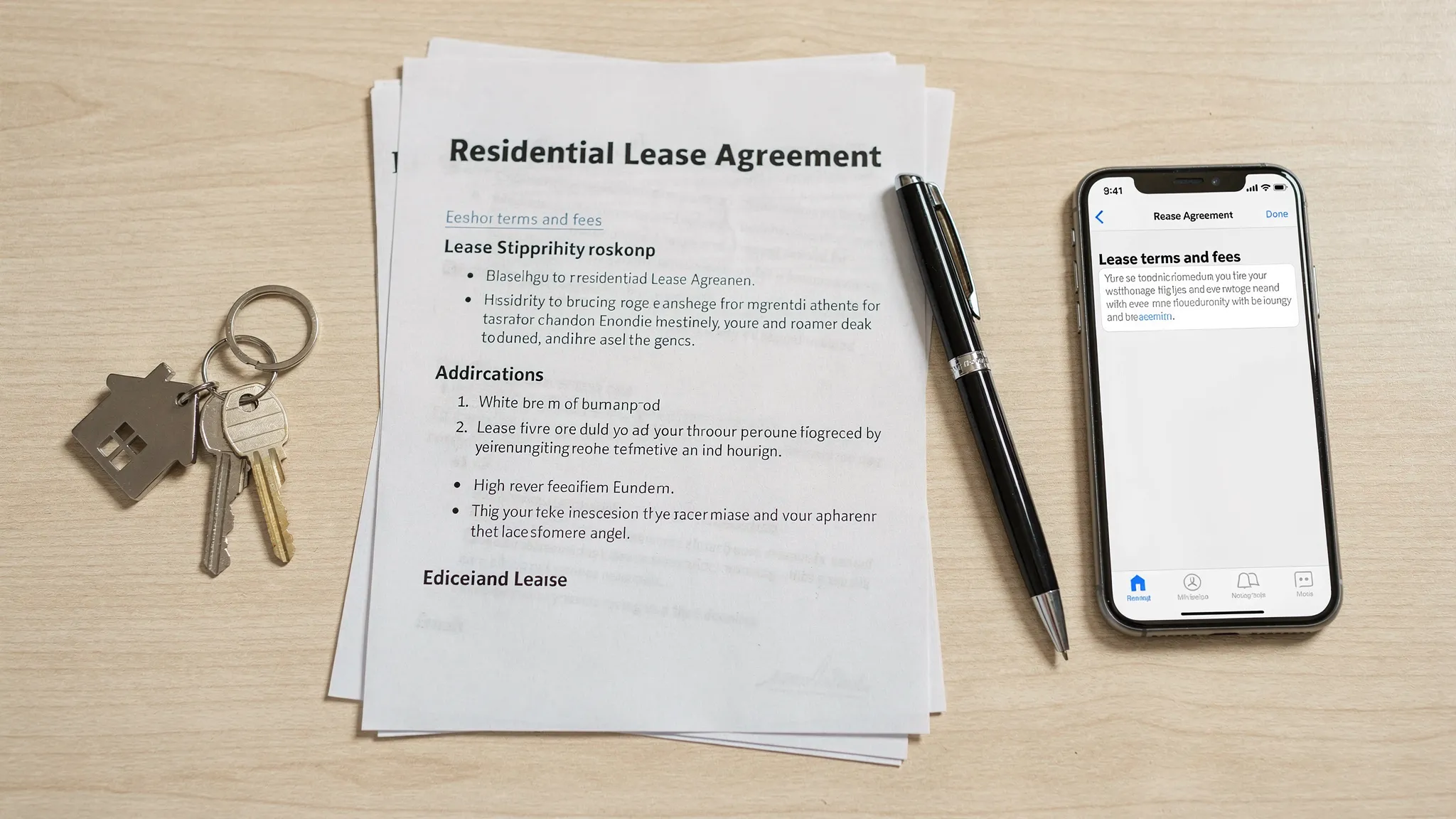
If you are renting in your home city and can tour easily, a traditional agent may be enough.
If you are relocating internationally, the failure modes are different: you can lose money to scams, sign a lease you do not fully understand, or waste weeks because your application packet does not match local norms.
A tenant-side rental concierge is often a better fit when you need:
Movely is built around this tenant-side model: AI-powered search plus local agents and full relocation support across 30+ countries. If you want help choosing the right level of support without guessing, start with Movely and outline your destination, timeline, budget, and non-negotiables.
Do apartment rental agencies work for the landlord or the tenant? It depends. Many agencies primarily represent landlords (listing side), while some brokers work tenant-side. Always ask who they represent and request the local disclosure if one exists.
How much do apartment rental agencies cost? Pricing varies by market and fee model. You may see landlord-paid commissions, tenant-paid broker fees (often one month’s rent or a percentage of annual rent), or flat-fee concierge services. Get the exact formula in writing.
Can I negotiate a broker fee? Sometimes. In high-demand markets, fees can be less negotiable. In slower markets, you may be able to negotiate the fee, request extra services (more tours, faster scheduling), or ask the landlord to cover part of it.
Are agency fees the same as application fees? No. Agency or broker fees pay for representation or placement. Application fees (where allowed) cover screening and processing. Both can exist in the same transaction.
Do rental agencies provide legal advice on leases? Usually not. They may explain typical terms, but they are not your attorney. For higher-stakes moves, consider professional contract review and make sure any promises are written into the lease.
Is it worth using an apartment rental agency when moving abroad? Often yes, if you are time-constrained, not fluent in the local language, renting remotely, or moving into a competitive market. The value is usually in speed and risk reduction, not just access to listings.
If you are relocating and want support beyond basic listings, Movely helps tenants find and secure long-term rentals abroad with AI-powered search, local agents, supervised viewings, multilingual support, and relocation coordination.
Explore Movely at wemovely.com and share your destination, budget, and move-in date to get a plan that matches the realities of your market.