May 9, 2026

Apartment Finding Service: What’s Included and What’s Not
Apartment finding service guide: learn what is included, what costs extra, and how expats can choose safer tenant-side support.
Struggling to find the perfect home? Explore Movely services that can help you!

Choosing between apartment rental companies (professionally managed buildings and corporate landlords) and private landlords can shape your whole renting experience, especially if you’re relocating or renting from abroad.
Both can be great options, but they optimize for different things: companies tend to prioritize consistency and process, while private landlords tend to prioritize flexibility and personal judgment. The “better” choice depends on your timeline, risk tolerance, documentation, and how much friction you can handle during application and move-in.
Apartment rental companies typically include property management companies, REITs, large landlords, and professionally managed apartment communities. You’ll usually interact with leasing staff, a maintenance team, and a standardized lease package.
Private landlords are individuals (or small partnerships) renting out one unit or a small number of units. They might self-manage, or they might hire a small manager, but decision-making often stays personal.
This distinction matters because it changes how approvals happen, how repairs are handled, and how “negotiable” the deal really is.

If you’re moving cities (or countries), predictability is a major advantage. Apartment rental companies often provide:
That structure can be reassuring when you’re renting remotely and need traceability for payments, deposits, and lease terms.
Large operators typically have maintenance staff, ticketing systems, and service-level expectations. While not perfect, it’s often easier to escalate a recurring issue when there’s a manager, a process, and a documented history.
With a private landlord, your experience can hinge on one person’s responsiveness, finances, and reliability. With a company, responsibilities are spread across roles. If your leasing agent quits, the building still exists and operations continue.
Professionally managed buildings can have multiple units, upcoming vacancies, and waitlists. In tight markets, volume matters.
If you have an unusual situation, like starting a job next month, relocating with a complicated visa timeline, or lacking local credit history, companies may be less willing (or less able) to make exceptions.
Private landlords can sometimes approve based on context. Companies often cannot.
Companies may require more documentation and can be rigid about what “counts.” If you’re an expat, you may need to work harder to translate your financial profile into something they understand.
If this is your situation, it helps to prepare a clean, verifiable packet (Movely’s guide on how to rent without local credit history is a solid starting point).
Corporate leases can include administrative fees, amenity fees, pet fees, move-in coordination fees, and strict renewal language. None of this is automatically bad, but you need to calculate your true monthly cost, not just base rent.
Private landlords are more likely to consider:
You may also be able to negotiate repairs or upgrades pre-move-in in exchange for signing quickly.
Private landlords often have fewer “programmatic” fees. In some cities, renting directly from an owner can reduce extra layers of cost.
When it works, it really works: quick approvals, direct communication, and practical solutions. Tenants who value autonomy often prefer this style.
Some private landlords are excellent. Others are disorganized, slow to repair, or unclear about rules. You can’t assume professionalism.
A good safeguard is to screen the landlord as seriously as the unit. Movely’s guide on how to spot a bad landlord before you sign a lease can help you structure that due diligence.
With private landlords, you may see:
If you’re moving internationally, take scam risk seriously. Use a verification workflow like the one in how to avoid rental scams when moving to a new country.
When the “maintenance department” is one person, the outcome depends on their time, budget, and temperament. Disputes can escalate faster because there is no neutral escalation path.
It depends on the city and the unit, but here’s the right way to think about cost.
Apartment rental companies can look more expensive because fees are visible and itemized. Private landlords can look cheaper upfront, but sometimes cost more later if repairs lag, utilities are unclear, or the lease terms are risky.
Instead of focusing only on rent, compare:
If you want a structured way to compare listings objectively, a scoring approach like Movely’s simple rental listing scoring system keeps emotions from overriding the math.
If “safer” means lower transaction risk, professionally managed rentals are often safer because they tend to have verifiable business identities, consistent contracts, and traceable payment methods.
That said, there are many safe private-landlord rentals abroad. The difference is that you need stronger verification habits.
A few relocation-specific safety notes:
Also, consider your personal stability needs. Relocation stress can amplify anxiety, sleep disruption, or ADHD challenges. In those cases, choosing the more structured option (often a rental company) can reduce ongoing friction. If you’re relocating to New York City and need clinical support, it can be helpful to know resources like comprehensive psychiatric services in NYC exist for adults navigating anxiety, depression, or ADHD.
If you’re deciding quickly, use these six questions.
If you need speed and you have standard documentation, apartment rental companies can be efficient. If you need speed but your profile is non-standard, a flexible private landlord may move faster.
Companies often require local credit checks and local-style proof of income. Private landlords may accept alternative evidence if it’s well organized and easy to verify.
If you cannot afford downtime (remote work, kids, tight schedule), professional management is usually safer.
Private landlords are more likely to adjust lease length, move-in date, or minor clauses.
Remote renting increases verification risk. Companies often reduce that risk by default, but you can rent from private landlords safely if you follow a strict verification process.
In hyper-competitive markets, companies may be more first-come-first-served and less negotiable, while private landlords may still choose based on “fit.” Either way, being application-ready matters.
Ask these before you pay fees or apply:
Your goal is to verify legitimacy, professionalism, and clarity:
If anything feels vague, inconsistent, or rushed, pause. Pressure is rarely a good sign in housing transactions.
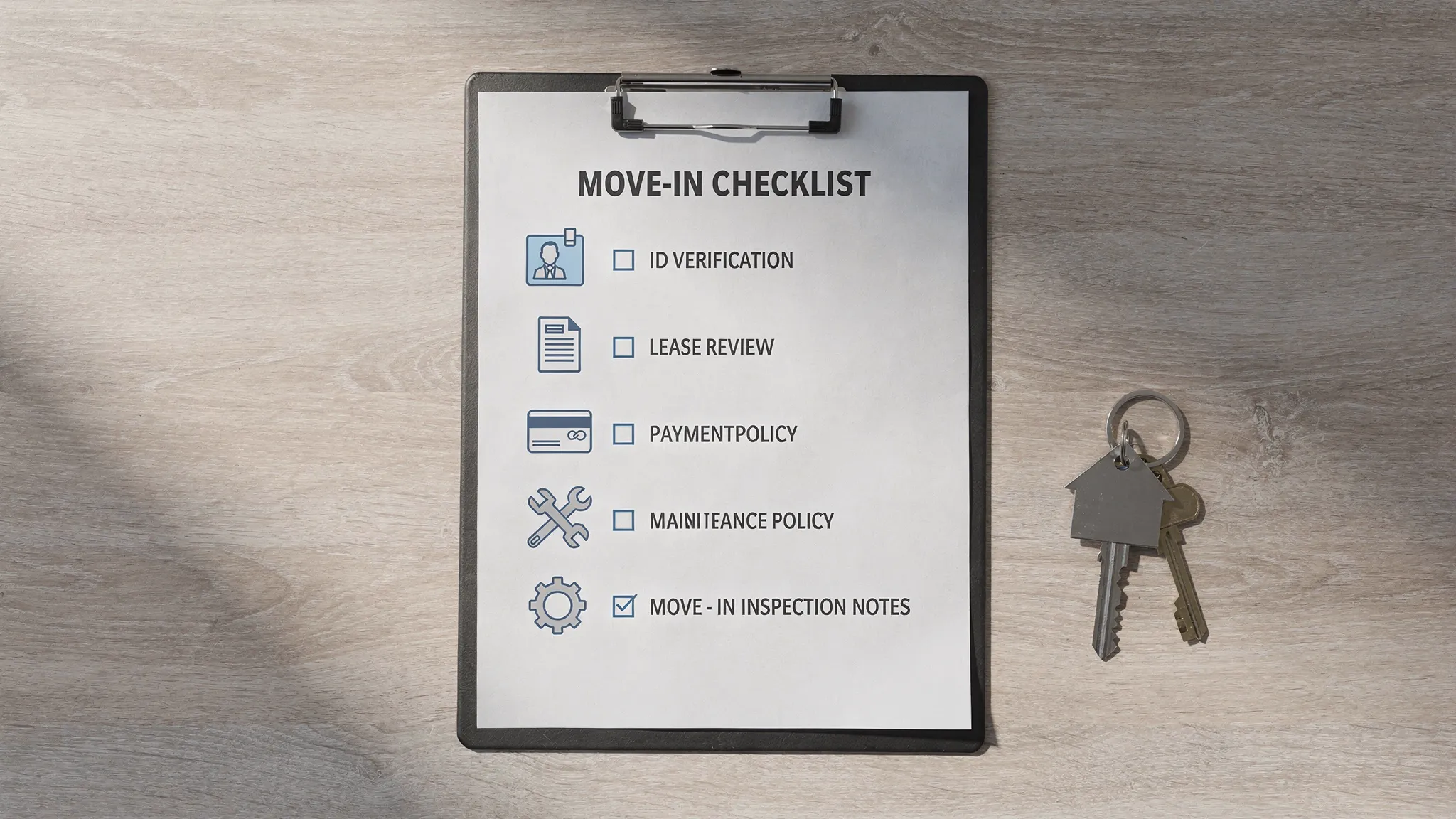
Many renters assume their only choice is “deal with the system” (company) or “trust the person” (private landlord). In reality, you can add a third layer: independent tenant-side support.
Movely is a tenant-side rental concierge service designed for expats and international movers. If you’re deciding between apartment rental companies and private landlords, Movely can help you:
If your timeline is tight or you’re renting across borders, the goal is not perfection. It’s getting to “confident enough to sign” with fewer unpleasant surprises.
Are apartment rental companies always better for renters? Not always. They’re often better for predictability, maintenance systems, and paper trails. Private landlords can be better for negotiation, flexibility, and unique units.
Is it safer to rent from a company when moving abroad? Often yes, because legitimacy and payments are easier to verify. But private landlords can be safe too if you verify ownership, insist on documentation, and use traceable payments.
Can you negotiate rent with apartment rental companies? Sometimes, but it’s usually limited. You may have more success negotiating timing, concessions (like a move-in credit), or a unit upgrade than base rent.
What’s the biggest risk with private landlords? Variability. A great private landlord can be fantastic, but a disorganized or dishonest one can create repair delays, deposit issues, or even scam exposure.
How do I choose if I don’t have local credit history? Start by packaging alternatives (employment letter, bank statements, references, proof of funds). Then target landlords and buildings known to accept international profiles, or use tenant-side support to position your application.
If you’re comparing apartment rental companies and private landlords while relocating, Movely can help you search faster, verify listings, attend or supervise viewings, and review contracts before you commit.
Explore Movely at wemovely.com and get matched with a relocation manager for your destination and timeline.