A rental viewing is not just a quick walk-through, it is your best chance to catch expensive problems before you put your name (and documents) into a competitive application pool. Photos rarely show weak water pressure, a bedroom that never gets daylight, or a building where the hallway smells like smoke every night.
This apartment viewing checklist focuses on what to inspect and test in 15 to 30 minutes, so you can apply with confidence and avoid signing up for surprises.
Before you arrive: set yourself up to inspect fast
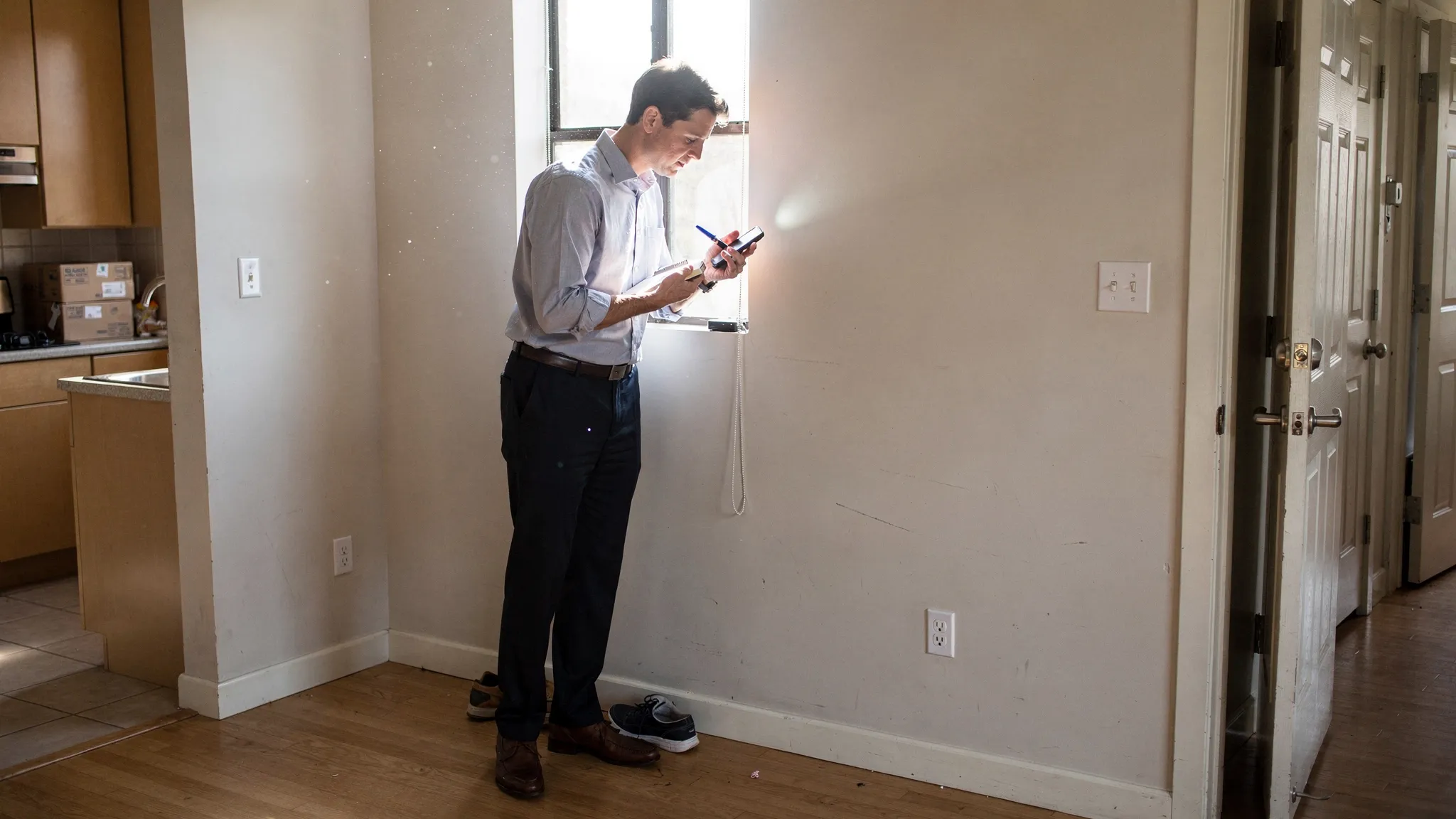
If you are seeing more than one apartment in a day, the biggest risk is forgetting what you noticed. Go in with a simple process.
What to bring (lightweight but useful)
- Your phone (camera, flashlight, notes)
- A small tape measure (or a measuring app)
- Headphones (to test noise and make a quick call)
- A charger or power bank
- A compact outlet tester (optional, but helpful)
What to do 5 minutes before the viewing
- Pull up the listing and re-read the “included” items (laundry, parking, storage, utilities).
- Open a notes template titled with the address, unit number, and date.
- Decide your top 3 deal-breakers for this specific tour (for example: no mold smell, strong water pressure, quiet bedroom).

The 60-second first impression (do not skip this)
Before you get distracted by finishes, take a quick baseline reading.
Air, smell, temperature
- Smell: musty, sweet, smoky, heavy air freshener, pet odor. Persistent masking scents can be a red flag.
- Humidity: sticky air or condensation on windows can signal ventilation issues.
- Temperature: does it feel noticeably warmer or colder than the hallway or outside?
Light and noise
- Stand still and listen for 10 seconds: traffic, neighbors, elevator, barking, building mechanical noise.
- Check natural light in the main room and bedroom. If the lights are already on, turn them off for a moment.
Connectivity (quick reality check)
- If you rely on mobile hotspot, check your signal.
- If you work from home, ask which internet providers serve the unit and where the router typically sits.
Safety and security checks (high impact, low effort)
Safety is not aesthetic, and it is hard to fix after move-in.
Entry door and locks
- Does the door feel solid and align cleanly with the frame?
- Are there working deadbolts and secure latches?
- Look for signs of forced entry repair (splintered frame, mismatched hardware).
Windows and emergency exit
- Open and close at least one window in every room.
- Check that windows lock, and that a bedroom window can open enough for safe ventilation.
Smoke and carbon monoxide alarms
Many places require them, but do not assume they are installed and functioning.
- Confirm smoke alarms are present.
- If the building has gas appliances, a garage below, or fuel-burning heat, confirm carbon monoxide coverage. The CDC outlines why CO alarms matter and what symptoms to watch for in enclosed spaces (see CDC carbon monoxide guidance).
Electrical basics (quick scan)
- Find the electrical panel if accessible and check for clear labeling.
- Test a couple of outlets with a charger (and GFCI outlets in kitchen/bath, if present).
- Look for extension cords acting like permanent wiring.
Older building risks
If the building is older, ask direct questions about updates.
- In the US, homes built before 1978 may involve lead-based paint requirements. The EPA provides an overview of lead hazards and renter protections (see EPA lead information).
Water and plumbing: run the tests (do not just look)
Water issues are among the most common day-to-day frustrations, and they can be hard to infer from a staged bathroom.
Sink and shower pressure
- Run hot and cold water in the kitchen and bathroom.
- Does hot water arrive quickly?
- Is pressure stable or does it pulse?
Drain speed
- Fill the sink briefly and release it.
- In the shower, watch whether water pools.
Under-sink and toilet checks
- Look under sinks for dampness, swelling, or fresh paint on the cabinet base.
- Flush the toilet once. Listen for constant running.
Kitchen and appliances: check what you will actually live with
Fridge and freezer
- Open and close the doors, check seals.
- Smell inside the fridge.
Stove and oven
- Ask whether the stove is gas or electric.
- If it is safe and allowed, turn on a burner briefly to confirm it ignites or heats.
Dishwasher, washer and dryer (if included)
- Open the dishwasher, check for odor and obvious residue.
- For in-unit laundry, check that doors seal properly and the area feels ventilated.
Cabinets and counters
- Open a few cabinet doors, especially under the sink and near exterior walls.
- Look for droppings, pest traps, or warping.
Walls, floors, ceilings: spot water damage and poor repairs
Cosmetic paint can hide real problems. Look for patterns.
Water clues
- Stains that are circular or yellow-brown
- Bubbling paint or peeling near windows and ceilings
- Soft spots on flooring near bathrooms or under windows
Floor feel
- Walk the perimeter of each room.
- Notice bouncing, slopes, or creaking concentrated in one spot.
Windows and drafts
- Put your hand near window edges to feel for airflow.
- Check for condensation between panes (can indicate failed seals).
Heating, cooling, and ventilation: comfort and cost drivers
HVAC problems show up later as sleep issues, higher bills, and constant maintenance requests.
Confirm what you control
- Is heating central, electric baseboard, split unit, radiator?
- Is there AC, and is it unit-wide or only in one room?
- Who controls the thermostat (you, building, landlord)?
Bathroom and kitchen ventilation
- Turn on the bathroom fan if possible.
- Look for a vent hood that actually exhausts (not just recirculates) if cooking odors matter to you.
Bedroom reality check: the “night test” in 2 minutes
Many apartments feel fine at noon and awful at 2 a.m.
- Stand in the bedroom with the door closed.
- Listen for hallway noise.
- Check if the room gets direct sun (good for mood, bad for overheating) and whether curtains or blinds exist.
If you can, visit the block again later at night to sanity-check noise, lighting, and safety.
Building and management: inspect beyond the unit
A great unit in a poorly managed building can become a daily headache.
Building condition signals
- Mail area: secure or chaotic?
- Trash area: clean and contained, or overflowing?
- Hallways and stairwells: well-lit, smells, visible leaks?
- Entry system: working intercom, controlled access?
Maintenance responsiveness (your future quality of life)
Ask one specific question: “If the heat stops working, what is the typical response time?” Then listen for a real process versus vague reassurance.
If you want a deeper framework for management red flags, Movely’s guide on how to spot a bad landlord before you sign a lease pairs well with this inspection checklist.
Document what matters (so you can apply and negotiate cleanly)
A strong application is not only about speed, it is about clarity. Your notes also help you negotiate repairs or concessions.
Photos to take (ask permission if needed)
- Each room from two corners (for layout memory)
- Any damage: stains, cracks, chipped counters, warped floors
- Inside of under-sink cabinets
- The building entry and posted notices (hours, trash rules, emergency contact)
Notes to capture in one place
- True monthly cost estimates (rent plus the utilities you must pay)
- What is included (parking, storage, laundry)
- Earliest move-in date and lease length options
- Any promises made (“will repaint,” “will fix window,” “new fridge coming”), then ask for them in writing
If you are touring multiple places, treat it like a repeatable workflow: observe, test, document, decide. Some renters even automate their reminders and follow-ups using the same process discipline you see in managed-service automation teams (for an example of that sprint-based approach, see AI & NetSuite consulting for mid-market teams).
Red flags that should pause your application
Not every issue is a deal-breaker, but these should trigger extra verification or a hard stop.
- Strong persistent mold or gas smell
- Fresh paint in one specific area plus staining (possible cover-up)
- Visible pests or droppings
- The agent rushes you and discourages basic testing
- You are pressured to pay money before a lease is reviewed and signed
For scam-specific warning signs and safer payment sequencing, use Movely’s guide on how to avoid rental scams when moving to a new country.
After the viewing: how to decide whether to apply
When you get outside, do a 3-minute recap while the details are fresh.
- Write “yes,” “no,” or “maybe” at the top of your notes.
- List the top 3 pros and top 3 concerns.
- Identify what is missing to decide (for example: exact utility costs, confirmation of building quiet hours, proof of upcoming repairs).
If you want a consistent way to compare options, a scoring approach helps you avoid choosing based on adrenaline. Movely breaks down one practical method in how to compare rental listings: a simple scoring system.
Frequently Asked Questions
How long should an apartment viewing take? For a serious inspection, plan 15 to 30 minutes for the unit plus 5 to 10 minutes to check the building and immediate street.
What should I check first in an apartment viewing? Start with what is hardest to change later: smell, noise, natural light, water pressure, heating/cooling, and signs of leaks or pests.
Is it okay to run water, flush toilets, and test outlets during a viewing? Yes, as long as you do it respectfully and return everything to how you found it. Quick functional tests are normal for long-term rentals.
What are the biggest deal-breakers to look for? Persistent mold smell, recurring water damage clues, unsafe locks or windows, unresponsive management, and unclear or inconsistent terms around utilities and fees.
Should I apply immediately after the viewing? If the unit meets your non-negotiables and the terms are clear, applying quickly can help in competitive markets. If key details are missing, request them in writing first.
What if I cannot view in person because I am moving abroad? Prioritize a live video tour, ask for real-time testing (water, windows, noise), and get everything in writing. If possible, use a trusted local proxy or a supervised viewing service.
Want a second set of eyes before you apply?
If you are renting in a new country (or just cannot afford a bad housing decision), Movely can help you search smarter and verify faster. Movely is a tenant-side rental concierge that combines AI-powered search with local agents for supervised viewings, plus relocation support like multilingual assistance, tenant portfolio improvement, contract legal review, and post move-in help across 30+ countries.
Explore Movely at wemovely.com and get support securing a long-term home abroad with less risk and less stress.